

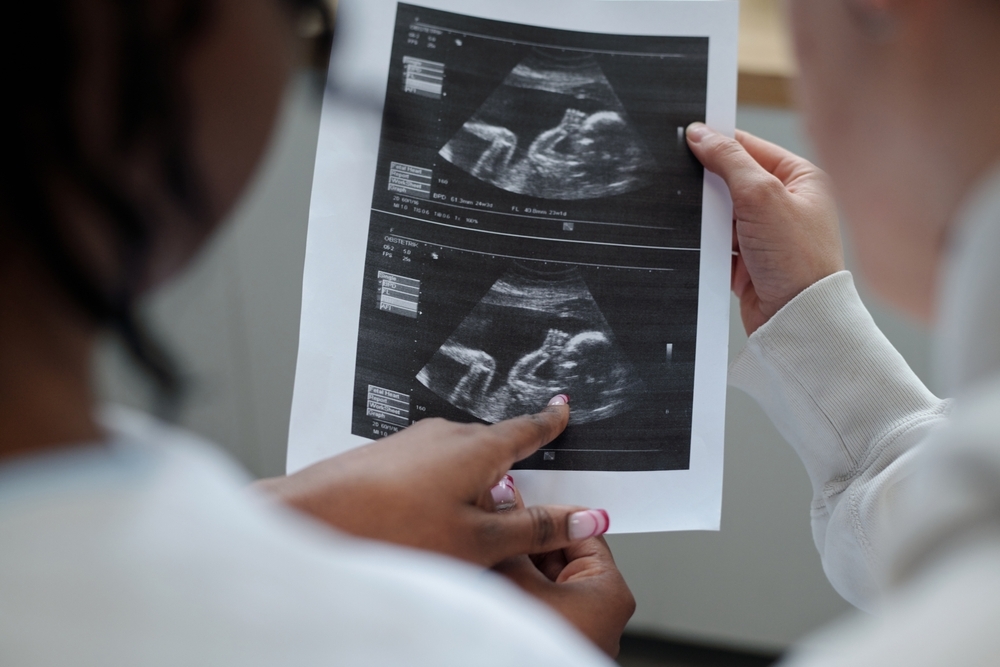
Expectant parents look forward to prenatal ultrasounds as a milestone. It’s a chance to see their baby’s heartbeat and receive reassurance that everything is developing as it should. Modern medicine has made incredible strides in fetal imaging, allowing doctors to detect complex conditions like Congenital Heart Defects (CHDs) long before a child is born.
However, when a medical professional fails to identify a heart defect that should have been visible on an ultrasound, the consequences can be catastrophic. The sudden shock of a critical heart condition at birth can lead to emergency surgeries, long-term developmental delays, or even the tragic loss of a child.
If you are wondering if a missed CHD on a prenatal ultrasound constitutes medical malpractice, the answer is often yes. At Anapol Weiss, we help families nationwide navigate these complex legal waters to hold negligent providers accountable.


The Role of the Prenatal Ultrasound in Detecting Heart Defects
The anatomy scan, typically performed between 18 and 22 weeks of pregnancy, is the primary tool for screening for congenital anomalies. During this scan, a sonographer or radiologist is tasked with examining the four chambers of the heart, the outflow tracts, and the overall rhythm and structure of the cardiac system.
While not every minor heart murmur can be caught in utero, many critical defects are recognizable to a trained professional. These include:
- Hypoplastic Left Heart Syndrome (HLHS): A severe defect where the left side of the heart is underdeveloped.
- Tetralogy of Fallot: A combination of four heart defects that affect the structure of the heart and oxygen levels in the blood.
- Transposition of the Great Arteries: A condition where the two main arteries leaving the heart are reversed.
- Ventricular Septal Defects (VSD): Significant holes in the wall separating the lower chambers of the heart.
When these conditions are detected early, parents and doctors can prepare. This may involve planning a delivery at a specialized pediatric cardiac center, arranging for immediate postnatal surgery, or even performing fetal interventions. When they are missed, the baby is often born in a crisis state, losing precious time that could have been used for life-saving preparations.
When is a Missed Diagnosis Considered Malpractice?
Not every missed diagnosis is malpractice. To have a valid legal claim in Pennsylvania or elsewhere in the U.S., your legal team must prove several key elements:
1. The Standard of Care
The standard of care refers to what a reasonably competent medical professional with similar training would have done under the same circumstances. If the heart defect was clearly visible on the ultrasound images but the technician or the interpreting physician failed to note it, they may have breached this standard.
2. Breach of Duty
A breach occurs when the provider fails to meet that standard of care. This could happen if the sonographer did not take the required views of the heart (such as the four-chamber view or the three-vessel view) or if the doctor misread the images provided.
3. Causation and Damages
This is often the most critical part of a birth injury case. We must prove that the failure to diagnose the CHD led to actual harm. For example, if the delay in diagnosis meant the baby did not receive oxygen or surgery quickly enough, leading to brain damage or organ failure, that constitutes clear legal damages.
Why Early Detection Matters: The Impact of a Missed CHD
The primary argument in many missed CHD cases is that the lack of a prenatal diagnosis deprived the child of optimal care. When a heart defect is known:
- Specialized Delivery: The birth can be scheduled at a hospital with a Level IV NICU and pediatric cardiac surgeons on standby.
- Immediate Medication: Some defects require specific medications (like prostaglandins) immediately after birth to keep certain heart valves open.
- Avoidance of Trauma: Without a diagnosis, a baby might be sent home as a healthy newborn, only to collapse hours later. This leads to emergency transport and extreme physical trauma that could have been avoided.
Similar Post: How Does Understaffing in Delivery Rooms Lead to Birth Injuries?
Navigating Pennsylvania’s Medical Malpractice Laws
While Anapol Weiss represents families across the United States, we have deep roots in Pennsylvania. If your ultrasound was performed in Philadelphia, Allentown, or anywhere in the Commonwealth, specific laws apply to your case.
Pennsylvania has a statute of limitations that dictates how long you have to file a lawsuit. In cases involving minors, the Minor’s Tolling Statute often allows for a longer filing period, but it is essential to consult with an attorney as soon as possible to ensure you do not lose your right to seek justice.
Furthermore, Pennsylvania requires a Certificate of Merit. This is a document signed by a qualified medical expert stating that there is a reasonable probability that the care you received fell below professional standards. Our firm works with world-class pediatric cardiologists and maternal-fetal medicine experts to build these foundations for our clients.
How Anapol Weiss Can Help Your Family
Investigating a missed CHD requires a deep dive into medical records, ultrasound films, and hospital protocols. When you contact our firm, we take the following steps:
- Comprehensive Review: We obtain and review all prenatal records and ultrasound images to see what the doctors saw or what they missed.
- Expert Medical Consultation: We partner with leading medical experts to determine if the standard of care was breached.
- Contingency-Based Advocacy: We work on a contingency fee basis. This means you pay nothing upfront. We only get paid if we successfully recover compensation for your family.
The financial burden of a congenital heart defect can be staggering, involving lifelong care, multiple surgeries, and specialized therapy. If medical negligence played a role in your child’s struggle, you have the right to seek the resources necessary to provide them with the best possible future.
Similar Post: How a Birth Injury Lawyer Can Help Your Family
Contact a Birth Injury Lawyer From Anapol Weiss Today
If your child was born with a heart defect that went undiagnosed during your prenatal care, you likely have many questions and a high level of frustration. You trusted your medical team to give you the full picture of your baby’s health, and they failed.
At Anapol Weiss, we are committed to providing empathetic, aggressive legal representation for families affected by birth injuries and medical malpractice. Whether you are in Pennsylvania or anywhere else in the U.S., we are here to listen to your story.
Call us today at 866-944-0553 or fill out our online contact form to schedule a free consultation. Let us help you understand your legal options and fight for the justice your child needs.
Disclaimer: This blog is intended for informational purposes only and does not establish an attorney-client relationship. It should not be considered as legal advice. For personalized legal assistance, please consult our team directly.